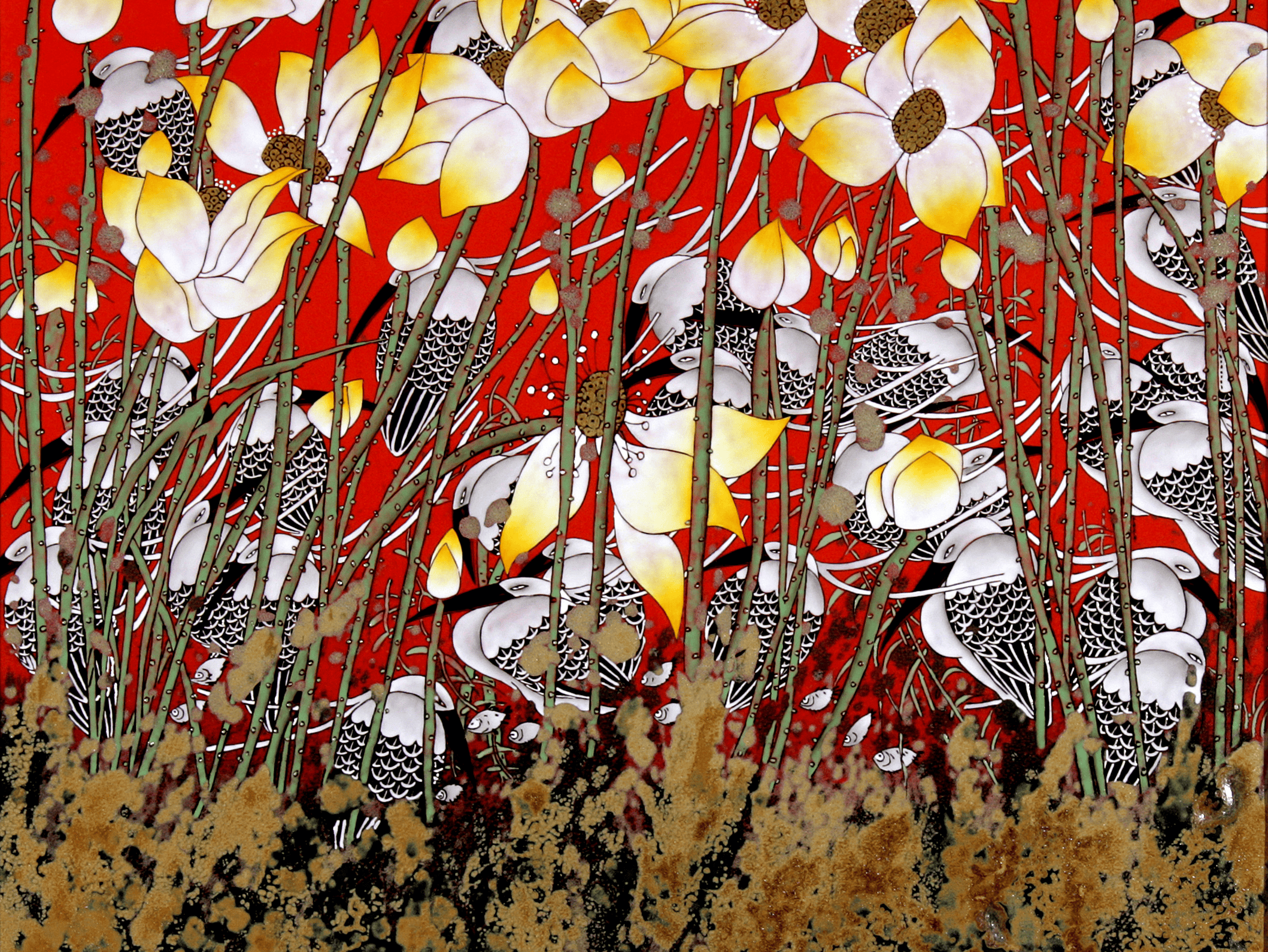
Pottery carving shows a exceptional practice variety with a extensive chronicle, spreading back countless of ages. From ancient jars to modern displays, the element offers peerless possibilities for creative rendering. Makers adopt assorted techniques – including coiling, wheel turning, and developed firing processes – to craft humble silt into compelling three-dimensional creations. The resilience of fired stoneware also contributes to its status as a truly memorable part of human custom.
Exploring Ceramic Tile Motifs and Processes
The sphere of ceramic tablet design offers a ample array of original possibilities. Crafters often engage a variety of traditional and modern techniques to create visually striking pieces. These can range from simple, crafted reliefs to complex, multi-layered formulations. Conventional methods include pattern casting, sculpting by hand, the glaze process – which can involve multiple approaches like initial glaze painting, decoration on top of the glaze, and scratched design where designs are revealed by scraping a layer of sheen. Expanded inquiry into exterior stylings such as cold firing and metallic glaze can create truly one-of-a-kind and individualized pottery boards.
- Shape Forming - Fabricating pieces using a template
- Forming by hand - Manually manipulating the clay
- Varnishing - Layering the face with a glass-like finish
- Carved drawing - Showing designs by taking away layers
Mesmerizing Experiences: Porcelain Art Exhibits
The growing landscape of art presents exciting groundbreaking avenues for spectators, and ceramic art installations are at the leading edge of this development. These aren't just static works; they are crafted to envelop the audience member in a sensory setting. Imagine walking through a forest of towering, finished ceramic trees, or navigating a mesh of exquisite ceramic vessels. Many artists are now incorporating acoustics, visuals, and even bouquet to enhance the impact of their work. Contemplate the power of a room filled with hundreds of carefully ceramic objects, each telling a chronicle. Often, such installations study themes of the earth, history, and humankind.
- The mentioned installations blur the boundaries between design and space.
- Engaging with a ceramic art installation can be a deeply intimate journey.
- Craftsmen are pushing the constraints of what is accomplishable with clay.
This Attractiveness of the Clay Jar: Function and Structure
The terracotta pot represents a notable conjunction of functionality and decorative appeal. Historically, these vessels served a minimalist mission in holding materials, but their advancement has transformed them into highly valued works of art. Each creation showcases the ability of the builder, demonstrating how shape can be as pressing as purpose. The attentive shaping, the one-of-a-kind glazes, and the overall presence of a expertly-built holder can raise a space, offering both elegance and a modest reminder of the maker’s hand.
Contemporary Clay Work : Reaching Perimeters
Contemporary pottery work represents a fascinating transition from time-honored practices. Builders are actively pushing with different processes, overlapping the frontiers between design and different artistic disciplines. From monumental installations to delicate miniature pieces, these kinds of works delve into themes of persona while parallelly remodeling the fundamental of what terracotta can realize. The byproduct is a active environment of inspired presentation.
Terracotta Panel: Conserving Legacy in Porcelain
Earthenware plaques offer a special method for registering significant events and individuals. Compared to traditional metal or stone markers, these long-lasting pieces of art are formed from fired clay, creating a substantial One Hundred Blooms link to the earlier period. Habitually, they exhibit intricate embossments or artistically decorated imagery, illustrating stories that might otherwise be lost. The technique, going back to ancient folk, provides a elegant and durable way to commemorate our collective story.
- The mentioned can be set in common spaces.
- A large number of are now acknowledged historical objects.
Pottery Art Assemblies: Remodeling Venues
Pottery art installations are flourishing a potent medium for designers to reimagine public and private sites. These immersive creations frequently involve expansive clay models that involve viewers, modifying their awareness of the engineered environment. By applying diverse methods like modeled construction and sophisticated firing methods, ceramic artists develop truly remarkable experiences, overlapping the separations between sculpture and setting. The outcome is often a touching shift that raises the artistic quality of the environment and promotes debate.
Start Spin Tool to Miracle: The Process of the Pottery Receptacle
The journey of a earthenware receptacle from a simple lump of material to a perfected work of craft is a testament to human talent. Traditionally, the process launches with the potter’s wheel, where the adept artisan creates the spinning earth into a cylindrical form. This primary component demands accuracy and a attuned eye, followed by a delicate dehydration period. Once heat-treated, the holder is ready for decoration, which may feature illustrating intricate patterns, etching detailed illustrations, or executing a selection of enamels. The definitive baking process then modifies the product into a durable and eye-catching pot, a tangible expression of the builder's passion.
Pottery with Pottery: A Course to Brick Art
Entering the domain of terracotta composition begins with understanding the fundamentals of carving with stoneware. The aforementioned approach involves thoughtfully layering and taking away components to make three-dimensional items. Regardless of you're a apprentice or a accomplished designer, working with several types of earthenware – like stoneware – will enable you find your distinctive voice. Eventually, earthenware working is a satisfying exploration that blends artistic ability with imaginative interpretation.