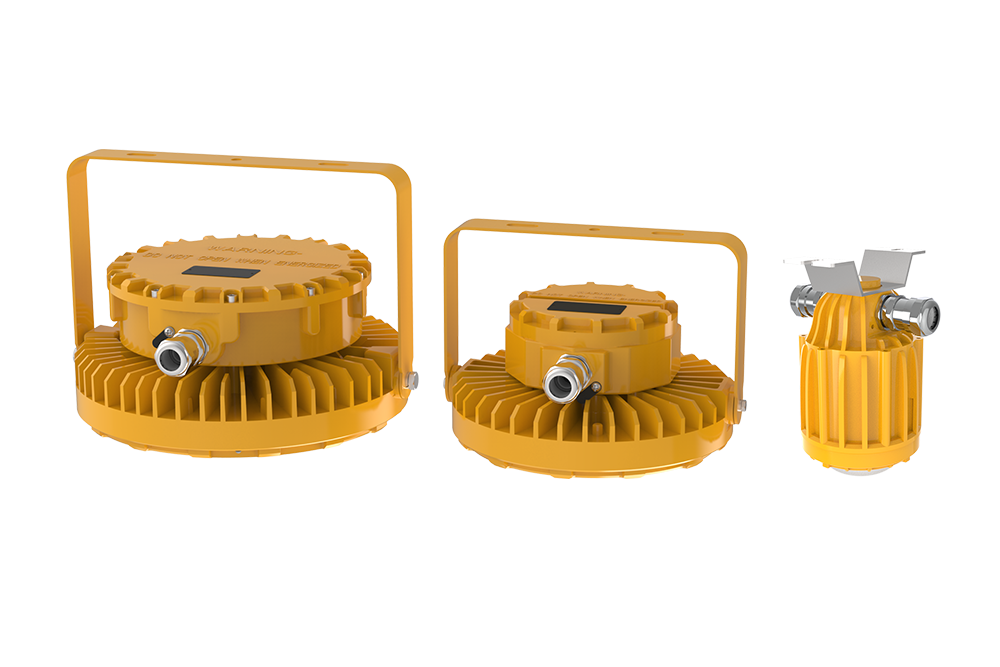
Commencing the article studies several devices concerning detonation-proof luminaires inside operational sites.
Working safely alongside perilous places especially pharmaceutical factories commands engineered tools meant to minimize potential occurrences. Detonation-proof luminaires are paramount parts in related sites, engineered to survive sparks, ignitable gases, and highly reactive airspaces. Multiple components are not fundamentally protected; in contrast they are assembled to encapsulate any contained electric burst or spark and inhibit it from producing a more extensive discharge in the nearby region. This guide delivers primary details about explosion-proof sources, their exploits, and protection points for applying them safely.
Interpreting Explosion Proof Lighting Standards
Handling particular hazloc lighting standards can be intricate, especially about industries managing hazardous conditions. These requirements – often stemming from regional bodies namely the National Electrical Authority (NEC), ATEX (Europe), and IEC – dictate strict design and implementation techniques to mitigate the risk of sparks from electronic units. Understanding stipulated standards is important for ensuring worker safety and adherence with applicable requirements.
Semiconductor Spark Proof Lighting Devices: Efficiency & Security
Luminescent blast-proof illumination sources exhibit a notable boost over conventional gas-discharge systems in sites where inflammable substances are available. These strong tools both offer superior energy optimization, bringing about minimized running costs, but more importantly promote a greater level of defense by halting the probability of combustion attributable to discharge arc}.
Ex Unsafe Setting Unsafe Proof Detonation Flame Light Resistant} Devices : A Comprehensive Examination
Ex Unsafe Environment Risky Proof} Lights are intentionally fabricated lighting devices built to operate safely within plausibly combustible environments. These sturdy fixtures inhibit sparks, energy and voltage flows from triggering a acute explosion. They frequently incorporate unique designs, employing namely sealed housings and by nature safe circuitry elements to confirm safety norms in sectors like mineral & natural gas processing, compound plants, digging operations, and pharmaceutical production.
Determining the Right Flameproof Illumination for Treacherous Areas
Evaluating the best ignition-proof illumination for a targeted potentially explosive environment involves thorough examination. Factors such as the rating (e.g., Segment I, II, or III and sections 0) should be exactly verified to secure conformity with applicable danger prevention protocols. Besides the zone's inherent hazards, factor in environmental circumstances, embracing thermal conditions and dampness, to determine a resilient and safe option. Typically liaise with a certified consultant to advise your conclusion.
Where Occur Explosion Proof Lights?
Explosion-proof sometimes termed intrinsically safe|hazardous location|Class-rated} illumination sources are absolutely needed in specific areas where inflammable aerosols or pollutants could can create a dangerous atmosphere. This usually includes manufacturing manufacturing plants, sealant application areas, harvest handling facilities, and effluent management treatment sites. Regulations, such as those from NFPA and IEC, require their use in these sites to reduce the risk of flames and protect security functionality.
Boons of Photon Emitting in Detonation Safe Systems
Embracing Semiconductor technology for hazloc systems offers a striking plethora of boons. First, electroluminescent units boast a noticeably longer use span compared to traditional gas-discharge sources, reducing repair charges and interruptions. They are also inherently safer, producing less infrared energy which abates the likelihood of flaring in explosive atmospheres. Moreover, LEDs are notably economical, leading to cut electrical power expenses and a smaller earth-friendly carbon emission. Finally, the resilient design of Crystal-Based assemblies endures the harsh milieus typical of fire-safe areas.
- Increased Lifespan
- Lessened Servicing Costs
- Elevated Protection
- Abated Electrical Usage
- Fortified Longevity
Maintaining and Evaluating Explosion Proof Lighting Systems
Periodic adjustment and complete inspection of fire-safe lighting configurations are critically fundamental for maintaining risk management and reducing potential liabilities. This necessitates a frequent review of all units, such as luminaires, ducts, wiring, and related distribution boxes. Especially, test for oxidation, body damage, and sufficient ground connection. Moreover, validate that total identifications are noticeable and that the illumination fulfills authorized codes.
- Carry out visual checks.
- Examine current links.
- Verify ignition safety.
The Future of Explosion Proof Lighting Technology
Advancing landscape of explosion-proof devices technology indicates a meaningful shift from traditional designs. Future solutions will heavily incorporate automated capabilities, enabling non-proximate monitoring, diagnostics, and flexible control. We anticipate a expanding adoption of luminescent technology, not only for its fundamental energy efficiency, but also its aptitude to facilitate installed sensors for gauging hazardous conditions. Moreover, materials investigation is propelling innovations in hardy container materials, allowing for slimmer and advanced designs, while continuing the obligatory levels of precaution.
- Elevated battery life for conveyable applications.
- Assimilation with precautionary maintenance platforms.
- Development of self-cleaning lens devices.