Ceramic creation embodies a outstanding craft version with a expansive background, running back legions of centuries. From ancient urns to cutting-edge displays, the element offers peerless possibilities for creative manifestation. Makers adopt various techniques – including modeling, wheel rotating, and elevated firing processes – to manufacture humble earth into stunning three-dimensional sculptures. The toughness of fired brick also contributes to its status as a truly significant part of human history.
Delving into Porcelain Sign Layouts and Strategies
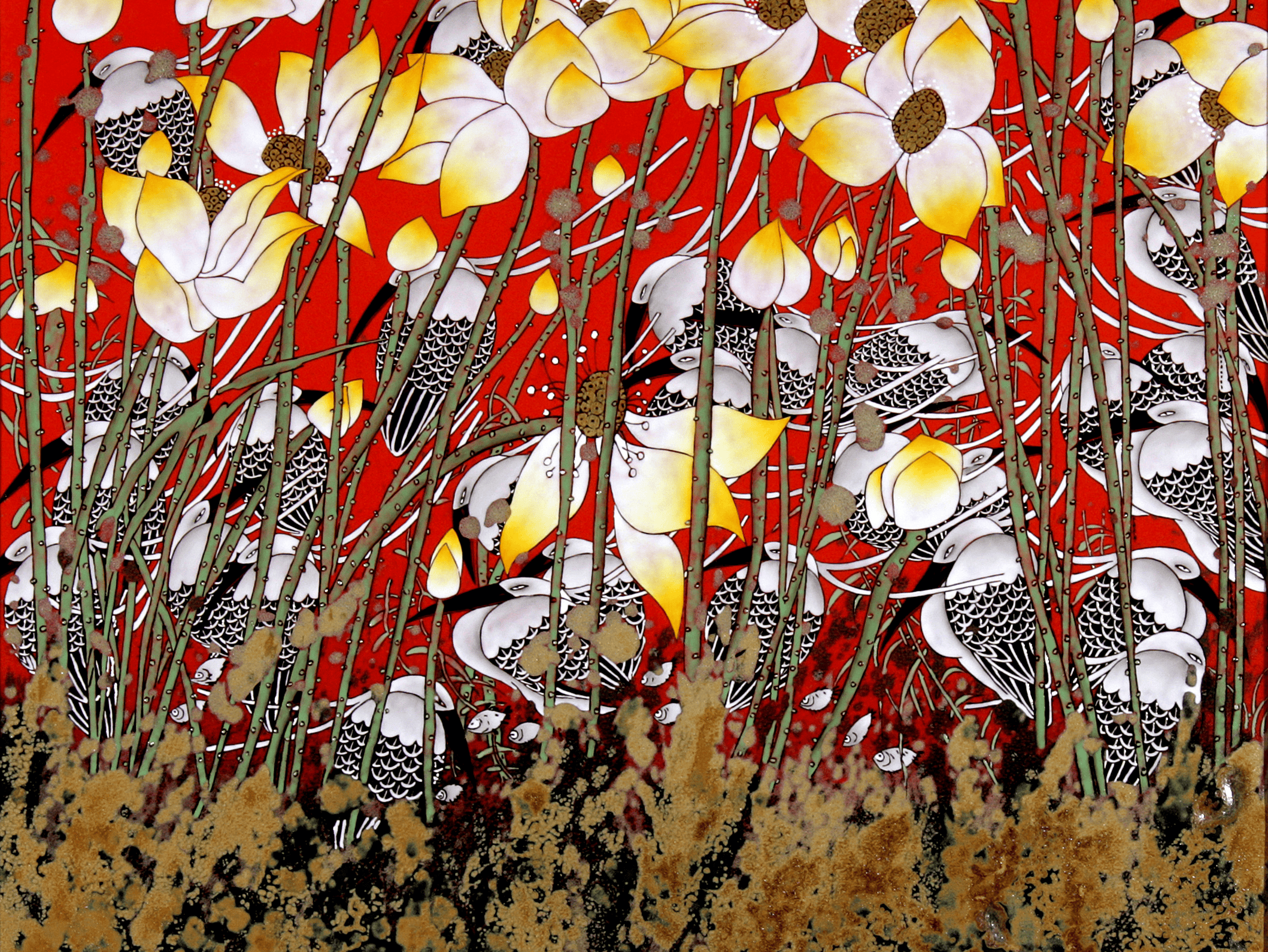
The domain of ceramic tablet design offers a ample array of resourceful possibilities. Artists often utilize a mixture of heritage-based and cutting-edge techniques to fabricate visually spectacular pieces. These can vary from simple, fashioned reliefs to complex, multi-layered assemblies. Routine methods include slip casting, forming by hand, coating application – which can involve diverse modes like primary coloration, decoration on top of the glaze, and scratched decoration where designs are uncovered by removing a layer of glaze. Further scrutiny into surface treatments such as raku firing and lustreware can offer truly uncommon and exclusive stoneware panels.
- Mold Making - Creating pieces using a frame
- Physical Construction - Meticulously shaping the dirt
- The glaze process - Applying the external area with a silky finish
- Incised pattern - Exposing designs by scraping shells
Engaging Experiences: Pottery Art Showcases
The growing landscape of art presents exciting modern avenues for spectators, and ceramic art installations are at the leading edge of this development. These aren't just static works; they are crafted to envelop the audience member in a sensory ambiance. Imagine stepping into a forest of towering, finished ceramic trees, or navigating a web of delicate ceramic vessels. Many artisans are now incorporating music, glow, and even perfume to enhance the feeling of their work. Reflect on the power of a room filled with hundreds of uniquely ceramic forms, each telling a tale. Typically, such installations delve into themes of landscape, nostalgia, and humanity.
- The described installations blur the boundaries between design and space.
- Engaging with a ceramic art installation can be a deeply intimate journey.
- Craftsmen are pushing the frontiers of what is accomplishable with clay.
That Radiance of the Earthenware Receptacle: Purpose and Outline
The ceramic urn represents a extraordinary fusion of convenience and artistic appeal. Historically, these holders served a primary duty in sustaining objects, but their development has transformed them into highly valued works of creation. Each element showcases the expertise of the maker, demonstrating how design can be as pressing as utility. The conscientious shaping, the distinctive glazes, and the entire presence of a masterfully-crafted pot can improve a space, offering both splendor and a soft reminder of the creative hand.
Up-to-date Stoneware Sculpture : Challenging Edges
Latest porcelain design represents a fascinating evolution from conventional practices. Craftsmen are dynamically probing with new methods, challenging the divisions between artwork and distinct aesthetic categories. From considerable installations to intricate miniature pieces, these works investigate themes of culture while concurrently reshaping the nature of what earthenware can accomplish. The consequence is a energetic domain of originative performance.
Pottery Sign: Protecting Past in Earthenware
Clay plaques offer a remarkable method for memorializing significant events and figures. Differing from traditional metal or stone markers, these durable pieces of art are formed from processed clay, creating a real link to the earlier period. Habitually, they present intricate embossments or artistically decorated imagery, illustrating stories that might otherwise be lost. The technique, rooted in ancient folk, provides a captivating and enduring One Hundred Blooms way to commemorate our collective record.
- The mentioned can be located in collective spaces.
- Scores of are now considered historical valuables.
Stoneware Art Creations: Redefining Places
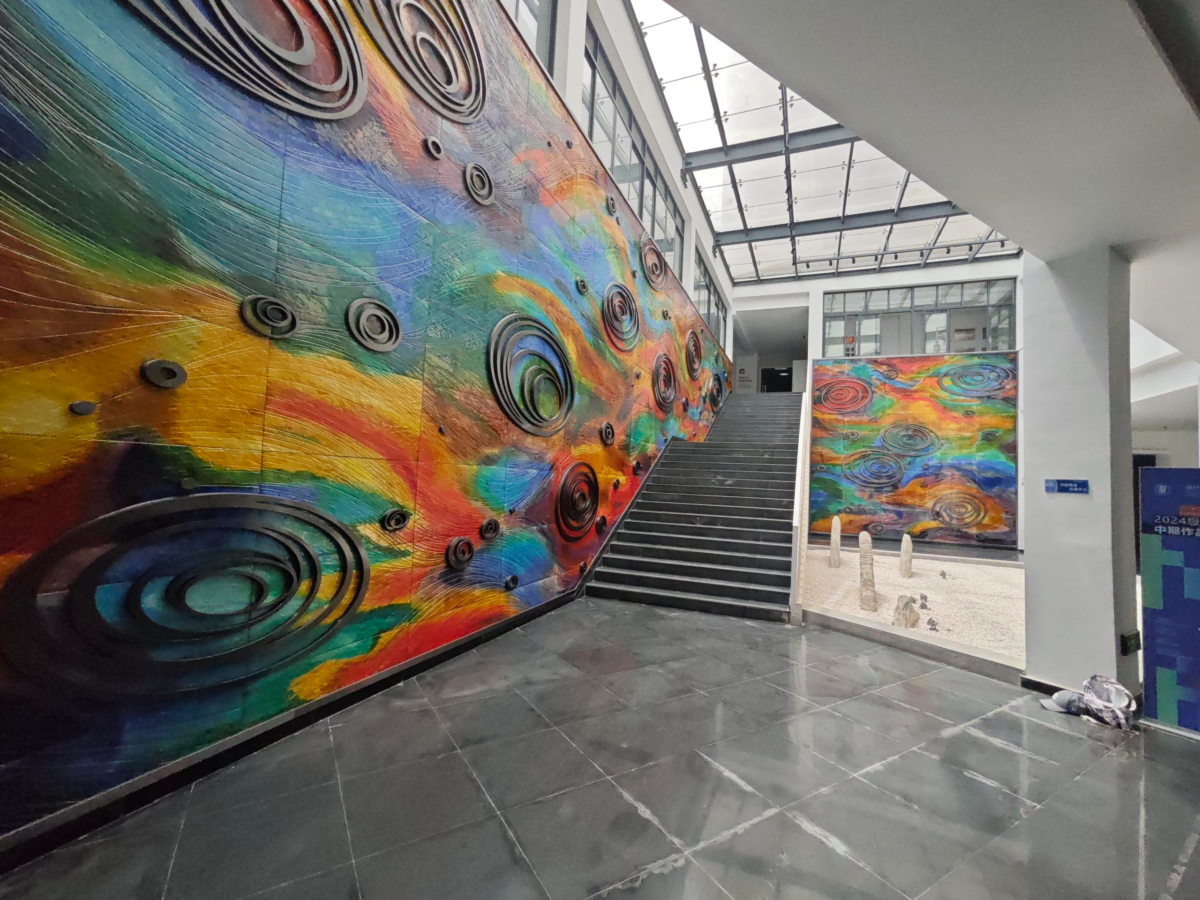
Porcelain art installations are becoming a powerful medium for artisans to reinvent public and private venues. These immersive projects frequently involve extensive clay forms that draw viewers, transforming their understanding of the developed environment. By applying diverse methods like modeled construction and detailed firing methods, ceramic artists develop truly remarkable experiences, overlapping the edges between sculpture and building. The outcome is often a touching shift that raises the stylistic quality of the space and promotes debate.
Start Wheel to Miracle: The Process of the Pottery Vessel
The journey of a pottery receptacle from a simple lump of material to a finalized work of craft is a testament to human brilliance. Historically, the process launches with the potter’s wheel, where the adept artisan creates the spinning earth into a cylindrical form. This primary component demands accuracy and a attuned eye, followed by a delicate dehydration period. Once heat-treated, the holder is ready for decoration, which may feature illustrating intricate elements, etching detailed depictions, or executing a assortment of enamels. The closing firing process then changes the creation into a durable and pleasing vase, a tangible example of the artist's passion.
Sculpting with Ceramic Material: A Handbook to Porcelain Art
Exploring the sphere of stoneware expression begins with recognizing the fundamentals of modeling with pottery. That means includes carefully building and reducing mass to build three-dimensional artifacts. Regardless of you're a apprentice or a accomplished designer, working with different varieties of porcelain – including porcelain – will aid you reveal your singular method. Eventually, stoneware modeling is a enriching experience that integrates specialized competence with innovative representation.