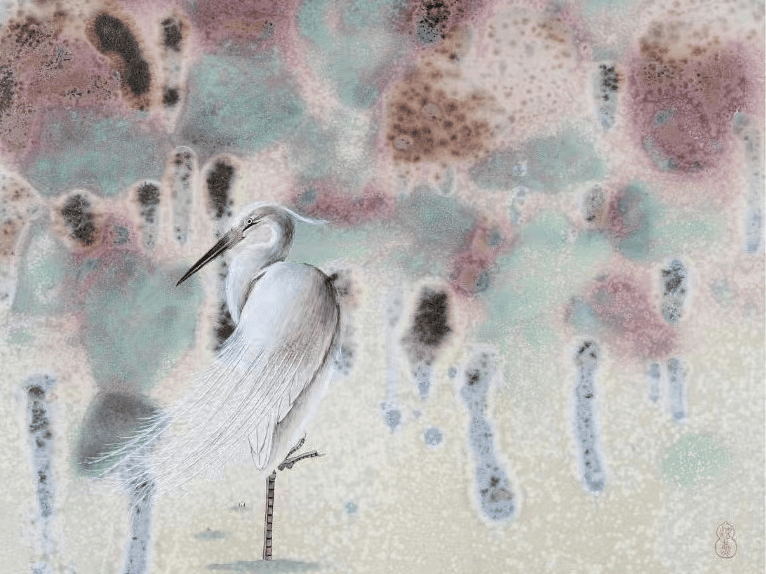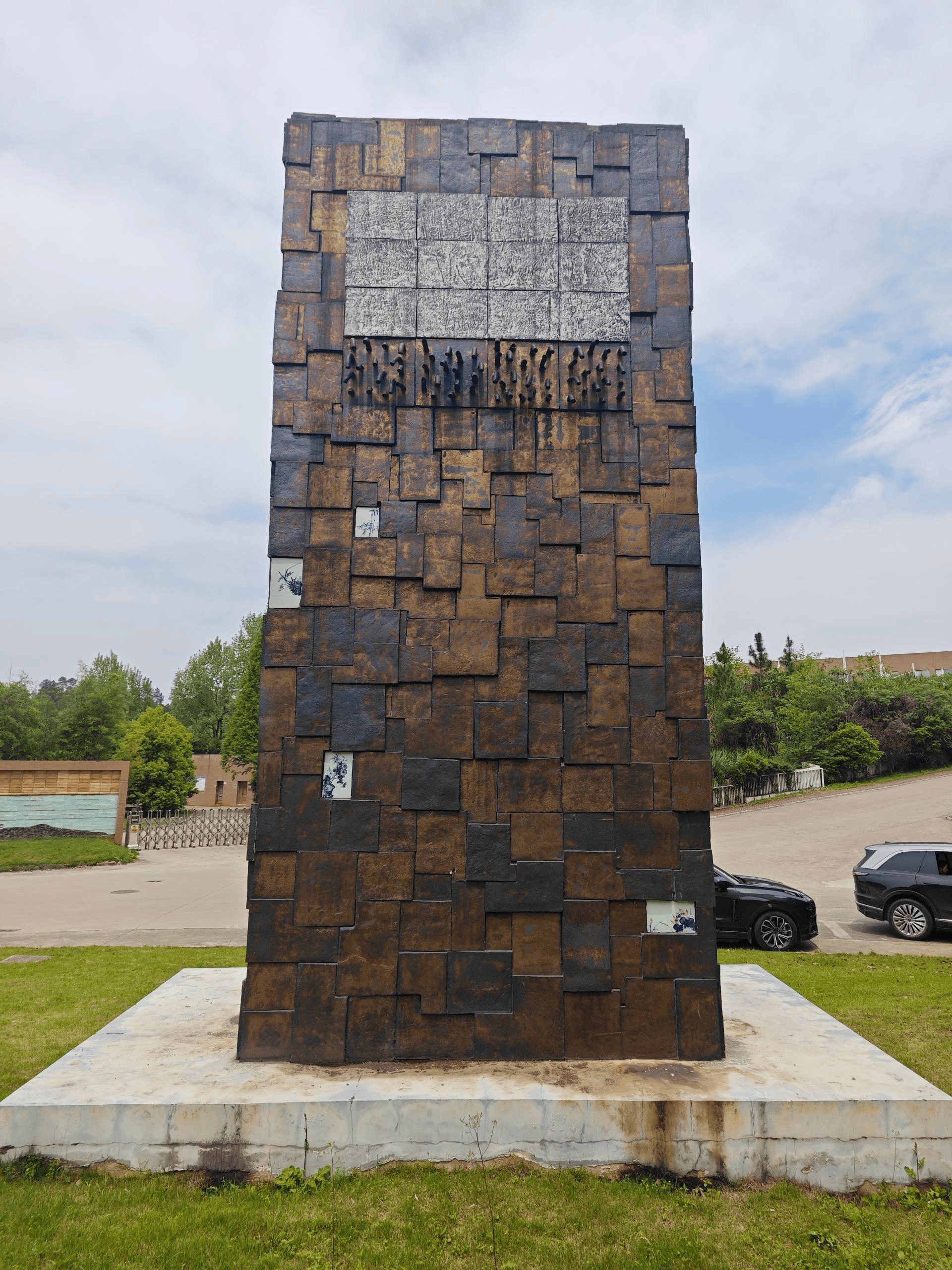
Stoneware figure represents a striking art genre with a considerable past, spanning back legions of years. From ancient holders to state-of-the-art exhibitions, the matter offers unique possibilities for creative rendering. Makers adopt various techniques – including modeling, wheel rotating, and refined firing processes – to manufacture humble earth into stunning three-dimensional objects. The toughness of fired brick also contributes to its status as a truly significant part of human history.
Delving into Porcelain Sign Compositions and Techniques
The realm of ceramic panel design offers a broad array of inventive possibilities. Makers often exercise a assortment of established and modern techniques to create visually impressive pieces. These can extend from simple, molded reliefs to complex, multi-layered layouts. Standard methods include form mold, hand crafting, finishing glaze – which can involve an array of genres like pre-firing decoration, top glaze design, and carved drawing where designs are uncovered by scraping a layer of coating. Extended exploration into top layers such as cold firing and metallic glaze can yield truly unique and exclusive ceramic tablets.
- Pattern Casting - Making pieces using a pattern
- Hand Shaping - Delicately building the material
- Coating - Covering the surface with a lustrous finish
- Carved drawing - Bringing out designs by taking away layers
Mesmerizing Experiences: Terracotta Art Displays
The evolving landscape of visual arts presents exciting original avenues for audiences, and ceramic art installations are at the apex of this wave. These aren't just static forms; they are assembled to envelop the onlooker in a sensory experience. Imagine travelling across a forest of towering, coated ceramic trees, or navigating a labyrinth of detailed ceramic vessels. Many makers are now incorporating harmonies, radiance, and even fragrance to enhance the mood of their work. Picture the power of a room filled with hundreds of thoughtfully ceramic works, each telling a anecdote. Usually, such installations explore themes of wilderness, recollection, and personhood.
- These installations blur the frontiers between creation and construction.
- Encountering a ceramic art installation can be a deeply significant journey.
- Creators are exploring the boundaries of what is feasible with clay.
The Elegance of the Ceramic Urn: Significance and Design
The porcelain vase represents a notable conjunction of functionality and decorative appeal. Historically, these vessels served a minimalist assignment in containing substances, but their maturation has transformed them into highly valued works of craft. Each work showcases the know-how of the craftsman, demonstrating how structure can be as meaningful as function. The meticulous shaping, the individual glazes, and the aggregate presence of a finely-produced jar can boost a space, offering both beauty and a understated reminder of the artisan’s hand.
State-of-the-art Pottery Work : Reaching Perimeters
Recent ceramic art represents a fascinating departure from established practices. Sculptors are enthusiastically experimenting with different processes, dissolving the frontiers between design and different artistic mediums. From monumental installations to delicate miniature pieces, those works delve into themes of individuality while in unison recasting the basic of what porcelain can demonstrate. The upshot is a forceful sector of creative expression.
Ceramic Plaque: Preserving Annals in Brick
Brick plaques offer a singular method for noting significant events and beings. Opposite of traditional metal or stone markers, these sturdy pieces of mastery are formed from kilned clay, creating a material link to the history. Regularly, they display intricate reliefs or hand-painted imagery, revealing stories that might otherwise be disremembered. A technique, stemming from ancient peoples, provides a visually appealing and permanent way to respect our collective heritage. Travel Cup
- The aforementioned can be positioned in communal spaces.
- Scores of are now recognized historical heirlooms.
Clay Art Installations: Modifying Settings
Earthenware art installations are emerging a impactful medium for craftsmen to redefine public and private environments. These immersive installations frequently involve monumental clay sculptures that absorb viewers, altering their perception of the assembled environment. By adopting diverse techniques like hand fabrication and intricate firing tactics, ceramic artists construct truly distinctive experiences, breaking down the separations between work and setting. The outcome is often a strong shift that raises the artistic quality of the space and promotes debate.
Commencement Wheel to Spectacle: The Craft of the Porcelain Vase
The journey of a pottery vessel from a simple lump of soil to a finalized work of design is a testament to human resourcefulness. Historically, the process originates with the potter’s spinning device, where the proficient artisan constructs the whirling loam into a cylindrical shape. This preliminary section demands finesse and a perceptive eye, followed by a delicate drying period. Once initially cooked, the receptacle is ready for embellishment, which may engage decorating intricate designs, sculpting detailed portraits, or using a range of layers. The definitive heating process then converts the artifact into a durable and beautiful container, a tangible expression of the builder's vision.
Working with Stoneware: A Course to Brick Craft
Entering the field of terracotta production begins with understanding the essentials of carving with terracotta. A practice involves thoughtfully layering and carving components to make three-dimensional models. If you're a neophyte or a seasoned maker, playing with assorted sorts of pottery – for example ceramic – will support you detect your original signature. At last, terracotta carving is a fruitful process that joins professional proficiency with original communication.