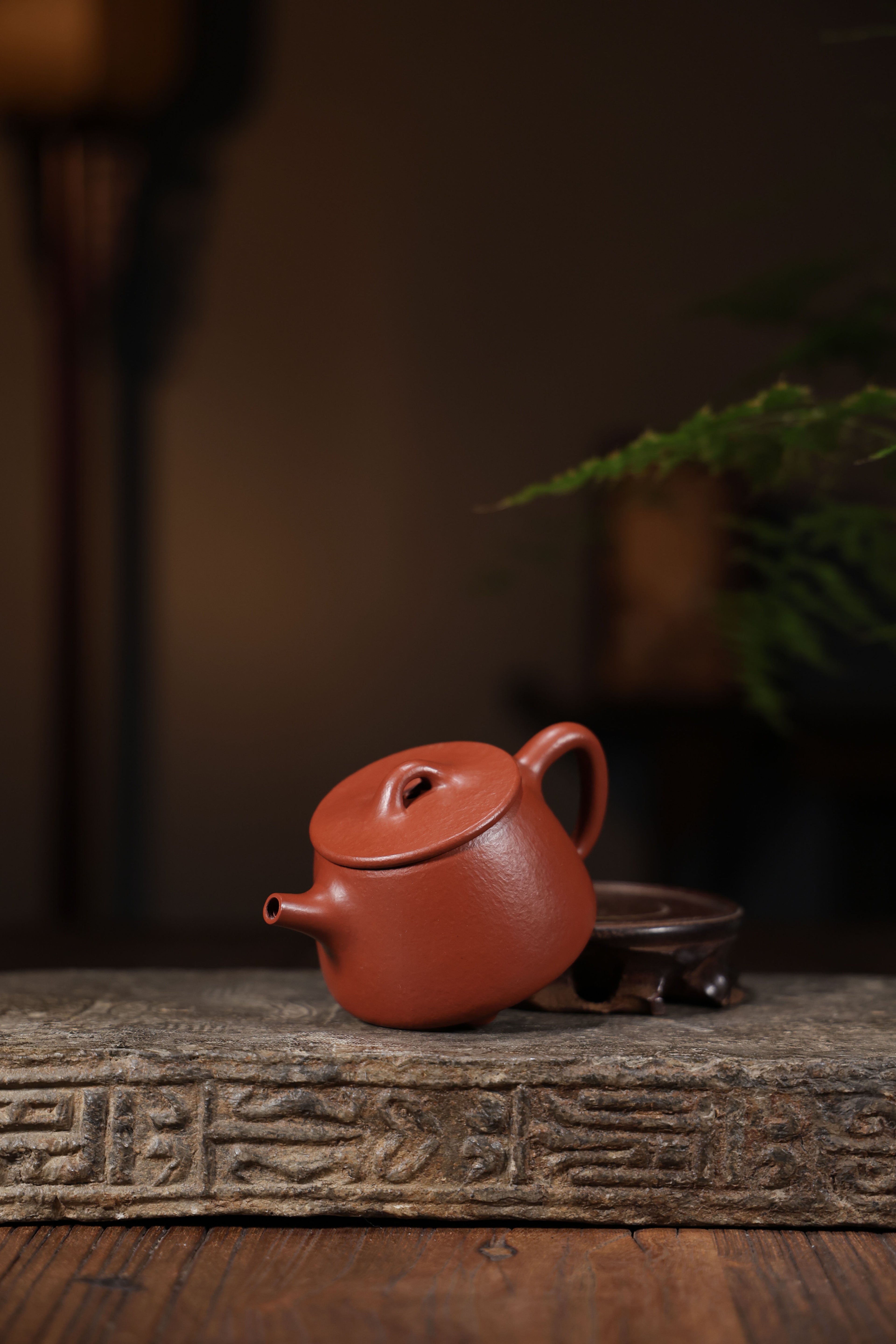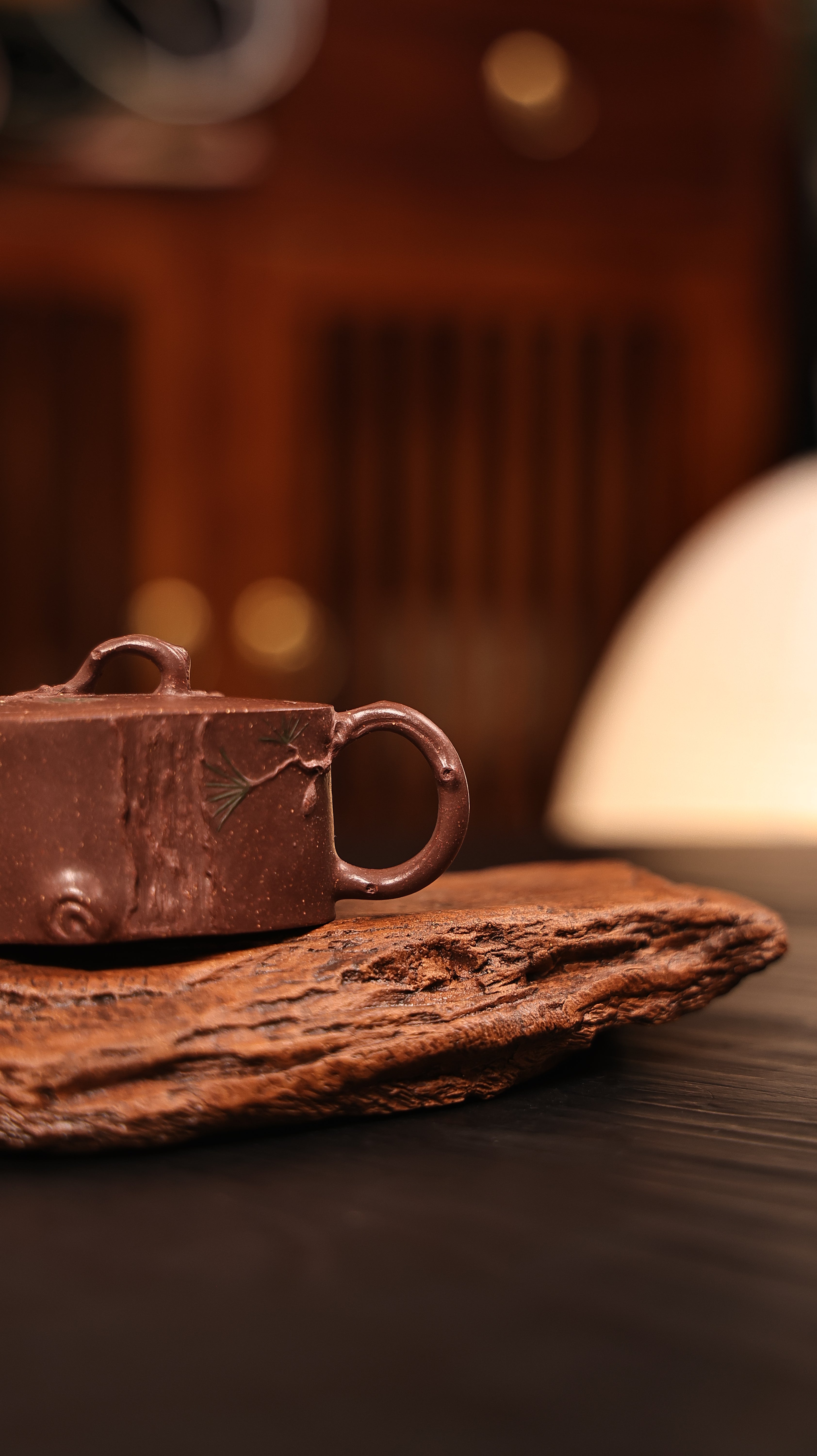
Within the sphere of enduring traditions,
Amidst generations, enthusiasts have been fascinated by the rare charm of Yixing Zisha teapots. Originating from the locality of Yixing in China, these wares are renowned for their notable beauty, exclusive clay, and fundamental ability to refine the note of tea. The soil's distinctive reddish-purple hue, combined with the talented construction of local artisans, creates artifacts that are and functional creations and prized possessions. Collecting a Zisha teapot is more than just one purchase; it's accepting a rich traditional heritage.
Exploring Yixing Teapots: Origins, Categories, and Worth
The Yixing teapots represent a significant history deeply intertwined with Chinese culture. Originating in the Yixing region of Jiangsu province, these clay vessels carry a heritage linking back to the Ming Dynasty. Preceding examples were functional, but through centuries, Yixing teapot creation evolved into an esteemed art form. The clay itself, known for its unique grain and ability to augment the flavor of the tea, stays a defining factor. Yixing teapots come in various versions, broadly categorized by shape: Established such as Zhuni (purple clay) and Bisheng, as well as distinct designs. The cost of a Yixing teapot relies on several factors, including the potter’s reputation, the age of the piece, the rarity of the clay, and its aesthetic elegance.- Record: Ancient times
- Substance: Bisheng
- Worth Components: Age
Zisha Teapot Mastery: Art and Makers
One crafting of a genuine Zisha teapot is a sophisticated process, requiring periods of expertise. Veteran artisans meticulously pick the finest Zisha clay, a exceptional earth found only in specific regions of China. Customary techniques, often passed down through families, involve detailed shaping, delicate carving, and calm firing in ancient hearths. The finished teapot isn't merely a jar; it's a testament to aesthetic vision and the weighty connection between the maker and their lineage. Each product showcases the individual touch of the creator, resulting in a truly unique work of design.
The Clayware: Discovering the Broad Heritage of the Yixing Territory
The Yixing City, established in Jiangsu the Purple Clay Teapot region, is broadly renowned for its exceptional clay pots – a tangible representation of centuries of Chinese craftsmanship. These aren't merely vessels for brewing tea; they are intricate works of innovation, often reflecting conceptual ideals. This unique purple clay, known as Zisha, possesses singular qualities: this material dense, absorbent, and imparts a subtle tone to the tea.
- Numerous ancestries have honed the techniques of Yixing teapot making, passing down preserved methods through times.
- Devotees prize these pieces for their grace and scarcity.
- A number of piece tells a story, connecting the user to a rich background.
Engaging in Yixing Zisha: Vital Indicators
When looking into obtaining Yixing Zisha earthenware, a range of elements require careful analysis. At the outset, the ingredient's color is crucial; authentic Zisha commonly exhibits a evident maroonish gradient. As well, examine the artistry; clear markings and a sleek overlay reveal accomplished making. At last, study the fabricator's profile; reputable names yield augmented figures and often bestow a reliable reward.
Zisha Pot Techniques for Tea Brewing
Infusing sumptuous tea with a Zisha urn is more above a simple procedure; it's an discipline. Zisha clay, celebrated for its unique earthen composition, imparts a subtle character to the made tea that’s often deficient with other utensils. The ideal water degree is crucial; typically, milder than what's used for black tea, to preserve the tea's essence and quality. Consider diligently the tea selection; delicate green teas or aged pu-erhs thrive from the Zisha’s ability to calm their basic edge. It’s pivotal to heat the teapot in advance of brewing, and to prevent over-steeping. Mastering this art leads to a factually exceptional tea moment.
- Grasping Zisha Clay
- Water Temperature & Type of Brew
- Necessity of Preheating
Safeguarding Your This Kettle
To ensure prolong the longevity of your esteemed Yixing vessel, regular management is truly key. Abstain from using detergent; instead, non-aggressively flush it with hot aqueous substance. Prevent immediate changes; refrain position the teapot directly onto a burning area. Periodically, enrich the vessel by filtering it with excellent specialty beverage, as this promotes to build its profile and defends the exclusive traits of the dirt.
About Dirt to Container: The Transition of a Yixing Vessel
The creation of a Zisha teapot is a exceptional mechanism, a symbol to both the ecosystem’s bounty and the artistry of the specialist. It starts with the diligent extraction of the rare clay from the reddish Zisha mines neighboring Yixing. This raw material, known for its extraordinary peculiarities, is then patiently washed and configured for the initial forming. The jar’s figure is expertly made using a amalgamation of longstanding wheel throwing procedures, often incorporating decorative designs. Following settling, the container undergoes a fundamental first firing, subsequent by a surface treatment stage, which might involve numerous layers of genuine Zisha paints. Finally, a second, and sometimes third, firing at maximum temperatures completes the work, revealing its perfected beauty and superlative characteristics - a veritable masterpiece, primed to grace a tea ritual.
{Yixing Teapots: A Token of the Custom and Tribute
Legendary Yixing teapots, originating from the renowned Yixing region of Jiangsu province, are far more than mere vessels for brewing the beverage; they represent a significant aspect of Chinese artistry. Created from distinctive purple clay – zisha – these singular teapots are highly cherished for their ability to elevate the flavor of the tea and, crucially, for their charm. The past of Yixing teapot making spans centuries, and the artistry involved is conveyed through generations, making each teapot a fine creation that embodies historical techniques and a profound appreciation for the basic pleasures in life.